High TG PCB Surface Treatment Options
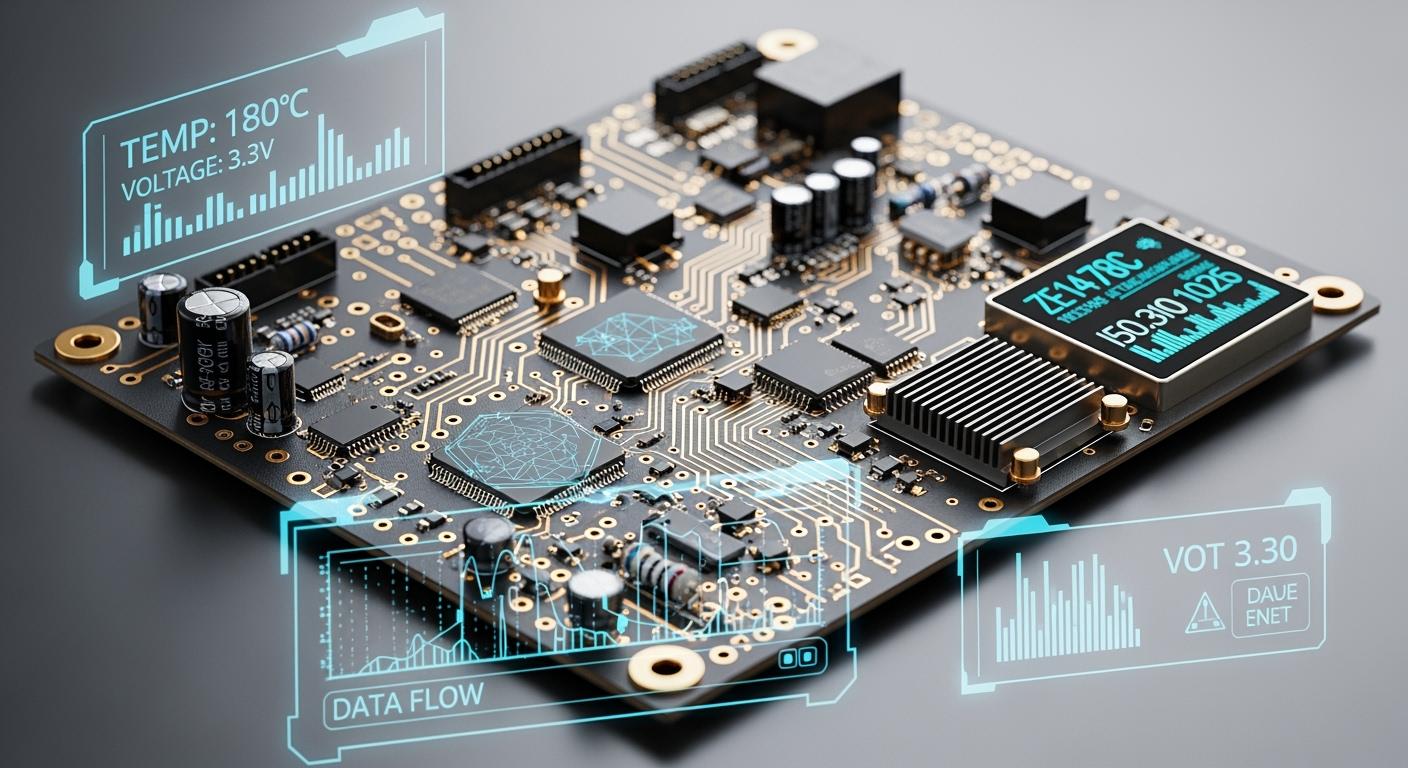
You want the best surface treatment for your high tg pcb. This helps your board last longer in important uses. Many engineers pick a solderable surface like Electroless Nickel Immersion Gold, Immersion Silver, Immersion Tin, or Organic Surface Protectant. Each one has its own special strengths. The best surface treatment depends on what you need. You may need good solderability, strong durability, or protection from the environment. Surface treatment methods help protect the pcb. This is very important when you need a strong surface for tough conditions.
Remember, what you need and the environment help you pick the best finish.
Key Takeaways
Pick the best surface finish for your PCB and where it will be used. ENIG is very strong and easy to solder, so it works well for important jobs. HASL does not cost much, but it might not work for small parts. OSP is good for the environment and is best for quick projects. Immersion silver lets electricity flow well, so it is good for high-frequency uses.
High TG PCB Surface Finish Overview
High TG PCBs are made to handle more heat. You need these boards for things that get hot or must last a long time. The surface finish keeps the copper safe. It also helps you solder parts onto the pcb. Picking the right pcb surface finish makes your board stronger. It also makes it work better for a long time. You want your pcb to work well, even when things get tough.
Key Selection Criteria
When you pick a pcb surface treatment for a high tg pcb, you should think about some important things:
How much money you can spend is important. HASL is cheaper, but ENIG or ENEPIG can save money later because they stop problems.
If your design is hard, it matters. Flat finishes like ENIG, ENEPIG, or immersion silver help with small parts.
Where you use the pcb is important. ENIG and ENEPIG protect your pcb in rough places.
How you solder is important. ENIG and ENEPIG are best for lead-free soldering and many heating cycles.
How long you store your pcb matters. ENIG or ENEPIG last longer and keep your pcb safe in storage.
Your assembly process is important. You want a finish that works with your way of making boards.
Humidity, heat, chemicals, and stress can hurt your pcb. Some finishes stop water and chemicals better. Others can handle heat and stress without breaking.
The pcb surface finish changes how easy it is to solder parts. It also changes how often you get problems. Flat, even finishes help machines put parts in the right place. Soldering performance is important for good assembly. ENIG and ENEPIG can handle lots of heating and cooling without breaking. Corrosion resistance helps your pcb last a long time.
Comparison of Main Finishes
Here is a table that shows the main surface finishes for high tg pcb uses:
Surface Finish | Thermal Stability | Solderability | Durability | Cost | Best Use Case |
|---|---|---|---|---|---|
HASL | Moderate | Good | Moderate | Low | General, budget projects |
Immersion Gold (ENIG) | High | Excellent | High | Medium | Fine-pitch, harsh environments |
OSP | Moderate | Good | Low | Low | Simple, short-term boards |
Hard Gold | High | Fair | Very High | High | Connectors, wear surfaces |
Immersion Silver | High | Excellent | Moderate | Medium | RF, high-frequency boards |
Tip: You should pick the pcb surface treatment that fits your needs. Think about how hot your board gets, how long it must last, and how hard your design is.
HASL Surface Finish for High TG PCB
HASL Process
You may know HASL as hot air solder leveling. This surface treatment uses molten solder to coat the pcb. The process has several steps:
Pre-Treatment: You clean the pcb to remove oils and dirt. A mild acid etch exposes fresh copper. Then, you apply flux to stop the copper from oxidizing.
Solder Immersion: You dip the pcb into a bath of molten solder at 250–270°C. The board stays in the solder for a few seconds to make sure all pads get covered.
Hot Air Leveling: You use hot air to blow off extra solder. This step helps create a more even surface.
Cooling: The pcb cools quickly to keep solder from spreading to unwanted areas.
Post-Treatment: You wash away any leftover flux with water or solvent.
This process gives your pcb a protective finish that helps with solderability and shields the copper.
Pros for High TG Applications
HASL surface finishes offer some clear benefits for high tg pcb projects:
You get good solderability, which makes assembly easier.
The finish protects copper from oxidation during storage.
HASL is cost-effective, so you can save money on large runs.
The process works well for many general-purpose pcb designs.
You can use HASL for boards that do not need very flat surfaces.
Note: HASL can provide enough durability for many standard applications, but you should check if your design needs a flatter surface.
Cons and Limitations
You should also know the limits of HASL for high tg pcb use:
HASL creates an uneven surface, which can cause problems for fine-pitch parts or small SMDs.
The thick solder layer may affect the reliability of solder joints.
High temperatures during the process can damage the pcb or cause warping.
Flexible boards may suffer from adhesive damage due to the heat.
Traditional HASL uses lead, which is not safe for the environment. Lead-free HASL needs even higher heat, raising the risk of damage.
HASL does not match the flatness or precision of finishes like enig.
If your design uses small components or needs high durability, you may want to look at other surface finishes.
OSP Finish for High TG PCB
OSP Process
OSP stands for Organic Surface Protectant. It helps protect copper pads on a pcb. The OSP process has several steps:
Clean the copper to get rid of dirt and oil. This makes sure OSP goes on evenly.
Micro-etch the copper to help OSP stick better. You remove a thin layer from the surface.
Rinse the pcb with special water. This stops dirt from getting into the OSP solution.
Put on the OSP finish by dipping or spraying the boards. You do this in a controlled setting.
Rinse off extra OSP and dry the boards. Check the surface to make sure the finish looks even.
Benefits for High TG Use
OSP finishes have some good points for high tg pcb projects:
OSP does not use lead and follows RoHS rules. This helps meet world environmental standards.
The treatment uses organic stuff, so it is better for the planet than hot air solder leveling or enig.
OSP gives a clean copper surface for soldering. This helps make strong and reliable joints.
The organic layer melts away during soldering. This helps wetting and sticking, which is important for lead-free soldering at high heat.
Pick OSP if you want a simple, earth-friendly finish that helps with soldering.
Drawbacks
You should know the limits of OSP for high tg pcb use. The table below shows common drawbacks:
Drawback | Description |
|---|---|
Limited Durability | OSP protects copper for about 6 months. It breaks down in wet places and is not good for long storage. |
Potential Copper Oxidation | When OSP wears off, copper can rust. This makes soldering harder. |
More Handling Considerations | OSP is thin and easy to damage. You must be careful when handling the pcb during assembly. |
Lower Temperature Tolerance | OSP breaks down at soldering heat above 250°C. This limits how you can assemble the board. |
OSP is best for simple boards that do not need long storage or super strong durability. You should pick other finishes if your pcb faces tough conditions or needs to last a long time.
Immersion Gold (ENIG) for High TG PCB
ENIG Process
The electroless nickel/gold process makes a strong finish for your high tg pcb. This treatment has many steps to keep the copper safe and help with soldering. Here is how the ENIG process goes:
Surface Preparation: You clean the copper with special cleaners, micro-etching, and acid. This step takes away dirt and gets the pcb ready for coating.
Activation: You put on a palladium-based catalyst. This helps the nickel layer start to form.
Electroless Nickel Deposition: Nickel ions cover the copper. This happens without using electricity.
Immersion Gold Deposition: Gold ions swap with some nickel atoms on top. This makes a thin and even gold layer.
Rinsing and Drying: You rinse and dry the pcb to finish up.
This method gives a flat and smooth surface. It is good for small parts and fine-pitch designs.
Strengths in High TG Environments
ENIG surface finishes have many good points for high tg pcb projects. You get strong corrosion resistance and great solderability. These things help your pcb last longer in tough places. The table below shows why ENIG is special:
Benefit | Description |
|---|---|
Strong Corrosion Resistance | ENIG keeps the copper safe from oxidation and harsh places. |
Excellent Solderability | You get good solder joints, even after long storage or many heating cycles. |
Performance Reliability | ENIG gives a good mix of performance and durability for high tg pcb uses. |
You can use ENIG when you need a finish that can handle heat, water, and chemicals. It also works well for boards that need to last a long time.
Tip: ENIG is a great pick for high-reliability electronics, medical devices, and aerospace projects.
Issues and Trade-offs
You should know about some trade-offs when you pick ENIG for your pcb:
ENIG costs more than hot air solder leveling or other simple finishes. The process takes more time and materials.
There is a black pad risk. Sometimes, the nickel layer can break down. This can cause weak solder joints or open circuits.
Black pad problems can hurt long-term durability and reliability, especially in important uses.
You can lower these risks by working with a trusted pcb maker. Always check for quality control during the ENIG process.
Hard Gold Surface Finish
Hard Gold Process
A special process puts hard gold on your pcb. This makes a strong surface that lasts a long time. Here is how the process goes:
Holes are drilled for vias and parts.
Copper is added to the holes and top for connections.
Etching takes away extra copper, leaving only the needed parts.
Solder mask covers the pcb and marks where gold will go.
Hard gold plating uses electricity to add nickel, then gold, to open pads.
The last finish is put on so the pcb is ready to use.
This gives you a tough surface that can handle lots of use.
Advantages for High TG PCB
Hard gold finishes have many good points for high TG pcb jobs. You get a surface that does not break or wear out fast. Here are some main advantages:
Hard gold works well for things that need to last and be strong.
The gold layer is thick, from 0.5 to 3 micrometers, so it stays tough.
Cobalt or nickel in the gold helps stop wear and keeps out rust.
You get good conductivity, which is important for high TG pcb designs.
Hard gold is great for edge connectors that get used a lot.
Gold does not rust or change color, so your pcb stays good in storage.
Pick hard gold if you need a finish that can take lots of use and tough places.
Disadvantages
Hard gold finishes also have some problems. You should know these before you pick this finish for your pcb:
Hard gold costs more because it needs more work and steps.
Soldering is harder. The thickest solderable layer is about 17 micrometers, which can cause trouble in some uses.
You might have hard soldering and weak bonds for small parts.
Hard gold is more costly than finishes like hot air solder leveling or electroless nickel/gold.
The process can make assembly tricky, especially for boards with lots of tiny parts.
Think about these problems if you want a finish that balances price, soldering, and strength.
Immersion Silver PCB Surface Finish
Immersion Silver Process
Immersion silver helps protect the copper on your pcb. This treatment puts a thin, even layer on the board. It helps with soldering and keeps the surface shiny. The process has a few steps. First, you clean the copper with special chemicals. This takes away oil and dirt. Next, you micro-etch the copper. This step makes the surface rough so silver can stick. Then, you use acid to get the copper ready. After that, you dip the pcb in a bath with silver ions. The silver covers the copper because of a chemical reaction. You rinse the pcb with clean water to wash off chemicals. Then, you treat the surface to stop it from turning dark. This keeps the silver bright. Last, you dry the pcb carefully. Now the process is done.
Performance in High TG Applications
Immersion silver finishes work well for high TG pcb designs. You get a clean surface with no oxide. This makes soldering easy. The finish helps you make strong joints. This is important for lead-free soldering. Silver has high conductivity, about 63 x 10^6 S/m. This means your pcb can carry signals fast with low resistance. Soldering is quick, often just 1 or 2 seconds. This is faster than hot air solder leveling or OSP. You can trust immersion silver for projects that need good electrical work and strong soldering.
Immersion silver is good for RF boards, communication devices, and other high TG uses where conductivity is important.
Limitations
You must be careful with immersion silver finishes. The surface reacts with sulfur, chlorine, humidity, and fingerprints. If you touch the pcb with bare hands, you can make yellow spots or dark marks. This can cause oxidation. These problems make soldering harder and the surface look bad. Immersion silver is more sensitive to the environment than enig or hot air solder leveling. Pollution, sulfur gases, and moisture can hurt the surface. You need to store and handle the pcb with care to keep the finish nice.
It can tarnish and react with things in the air
Touching it can cause damage and problems
Needs to be kept safe from water and dirty air
Always wear gloves and keep your pcb in a clean, dry place to protect the immersion silver finish.
How to Choose a PCB Surface Finish for High TG PCB
Application-Based Recommendations
You need to match the surface finish to your pcb’s job. Each finish works best for certain uses. You should look at the type of components, the environment, and the demands of your project. Here are some points to help you decide:
Think about high-frequency applications. Immersion silver gives you strong conductivity and smooth surfaces. This helps your signals stay clear and fast.
If you use fine-pitch parts or BGA, choose a flat finish. ENIG works well for these designs. It gives you reliable solderability and keeps the surface even.
For boards that face heat, humidity, or chemicals, ENIG protects your pcb. It resists corrosion and lasts longer in tough places.
When you need a finish for simple boards or short-term projects, OSP offers a low-cost option. It works well if you do not need long storage or high durability.
Automotive, aerospace, and medical devices need high reliability. ENIG stands out as the best treatment for these jobs. It keeps your pcb safe and strong.
If you want a finish for connectors or parts that get used a lot, hard gold gives you a tough surface. It resists wear and keeps your board working.
Tip: Always check the shelf life and storage needs. Some surface finishes, like ENIG, last longer and protect your pcb during storage.
You can use the table below to match finishes to your project:
Application Type | Recommended Surface Finish | Why It Works |
|---|---|---|
High-frequency applications | Immersion Silver | High conductivity, smooth surface |
Fine-pitch/BGA | ENIG | Flatness, reliable solderability |
Harsh environments | ENIG | Corrosion resistance, durability |
Simple/short-term boards | OSP | Low cost, easy soldering |
Connectors/wear surfaces | Hard Gold | Toughness, wear resistance |
Automotive/Aerospace/Medical | ENIG | High reliability, long shelf life |
Cost and Reliability Factors
You must balance cost and reliability when you pick a surface finish. Some finishes cost less but may not last as long. Others cost more but give you better performance. Here are some things to think about:
HASL costs less. It works for general projects. You save money but may not get the best durability.
ENIG costs more. You get strong protection and reliable performance. This finish works best for boards that must last and face tough conditions.
OSP gives you a cheap option. It works for simple boards. You need to handle the pcb carefully because the surface is easy to damage.
Immersion silver costs a bit more. It gives you high conductivity for high-frequency applications. You must store the pcb in a clean, dry place.
Hard gold costs the most. You get a tough surface for connectors and parts that move a lot.
Note: The choice of surface finish affects how long your pcb lasts. It also changes how well your board works in harsh places. You should pick a finish that fits your budget and your reliability needs.
You can use this list to help you decide:
Look at your intended application. High-reliability jobs need ENIG or hard gold.
Check the environment. If your pcb faces heat or chemicals, choose a finish that resists corrosion.
Think about the component type. Fine-pitch parts need flat finishes.
Consider shelf life. Long storage needs finishes like ENIG.
Balance cost. Pick a finish that fits your budget but still meets your needs.
You make the best choice when you match the surface finish to your project’s demands. You get a pcb that works well and lasts longer.
You can pick from many high TG PCB surface finishes. Each finish has its own good points. The table below helps you compare cost, corrosion resistance, and other things:
Surface Finish | Cost | Corrosion Resistance | ICT Performance | Hole Fill Capability |
|---|---|---|---|---|
Immersion Silver | Inexpensive | Worst | Good | N/A |
OSP | Inexpensive | N/A | Worst | N/A |
ENIG | Most costly | N/A | Good | Better |
HASL | N/A | Best | Good | Better |
Immersion Tin | N/A | Best | Good | N/A |
Pick the finish that fits your project best. ENIG is good if you need high reliability. OSP or immersion silver are better if you want to save money. You should talk to your PCB maker for help. The right finish makes your board last longer and work well.
FAQ
What does "high TG" mean in PCBs?
High TG means your PCB can handle higher temperatures before it softens. You use high TG boards in devices that get hot or need to last longer in tough places.
Which surface finish is best for fine-pitch components?
You should pick ENIG or immersion silver. These finishes give you a flat, smooth surface. This helps you place small parts accurately and makes soldering easier.
Can I use HASL for high-reliability applications?
You can use HASL for simple or budget projects. For high-reliability needs, ENIG or hard gold work better. These finishes last longer and protect your PCB in harsh conditions.
How do I store PCBs with immersion silver finish?
Store your PCBs in a dry, clean place.
Use gloves when you handle them.
Keep them away from air, moisture, and sulfur to prevent tarnishing.
See Also
Exceptional Performance of High TG FR4 PCBs in Extreme Heat
Comprehensive Guide to Manufacturing Heavy Copper Multilayer PCBs
Integrating Rogers Material with TG170 for Hybrid PCB Solutions
Comparing ENIG and Other Finishes: Immersion Gold's Reliability Advantage
