Why PCB Raw Material Inventory Is Critical for Lead Time
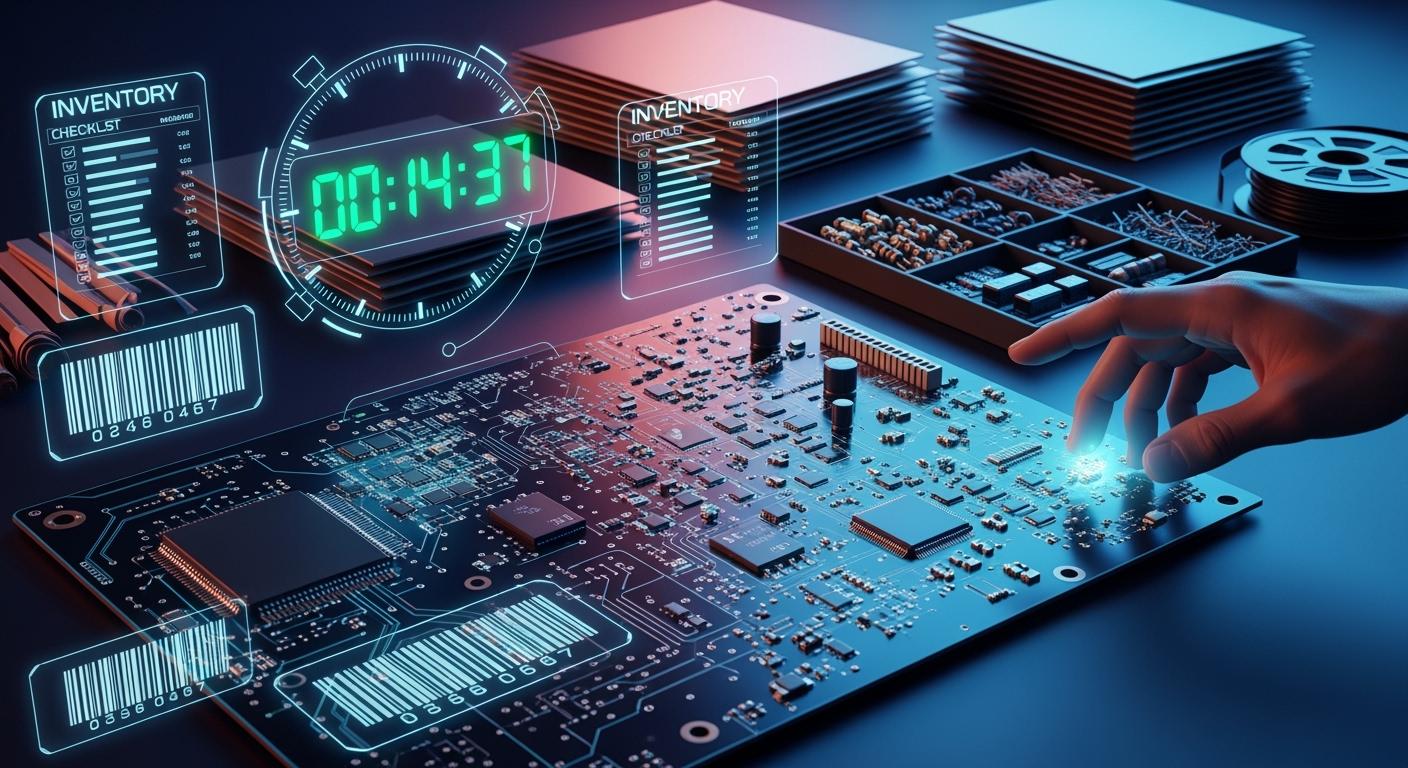
You will have production delays if pcb raw material inventory is low. Inventory levels decide how fast you can produce things. Inventory also affects how much you spend. Delivery times depend on the materials you have ready. A good supply chain helps you stay ahead and keeps customers happy. > Managing inventory early lets you control lead time and helps you make products on time.
Key Takeaways
Watch your PCB raw material inventory carefully. This helps you stop production delays. Enough materials let you make products on time.
Make good connections with suppliers. This lets you get materials fast. It is important when there are shortages.
Use correct forecasting methods to guess what materials you need. Look at old sales data. This stops you from running out of important parts.
Use inventory technology like real-time tracking. These tools help you control stock levels. They also help you save money.
Check your inventory and lead times often. Being ready stops delays. It keeps your customers happy.
PCB Raw Material Inventory and Lead Time
Material Availability and Production Speed
You must watch pcb raw material inventory closely. If you have enough materials, you can make printed circuit boards faster. When you do not have enough, your production slows down or stops. Having the right amount keeps your work moving.
Tip: Always check if you have key materials before you start making things. This helps you stop delays from happening.
The most used raw materials in PCB manufacturing are copper foil, FR4 fiberglass, polyimide, and ceramic substrates. Each one changes how well your product works and how fast you can make it. The table below shows what each material does:
Material | Effect on Performance | Applications |
|---|---|---|
Copper Foil | Low resistance, good signal transmission | General-purpose PCBs |
FR4 (Fiberglass) | Standard dielectric properties, versatile | Consumer electronics, communication |
Polyimide | High heat resistance, flexible | Flexible and wearable electronics |
Ceramic Substrates | High thermal stability, low loss | Power electronics, automotive systems |
Prepreg is made by putting resin into fiberglass. You put this with copper foil and press it with heat to make the final laminate. If you do not have enough copper-clad laminates or solder mask materials, you cannot make as many boards. Lead times can change a lot, and prices can go up. For example, copper-clad laminates took 8-10 weeks to get in 2023. In 2025, it took 16-20 weeks, and prices went up by half.
Impact on Delivery Timelines
If you do not have enough raw materials, your delivery times get longer. Shortages or delays in getting materials make your lead time longer and mess up your plans. Lead times can change a lot, especially when more people want PCBs or shipping is slow.
If you cannot get raw materials, you wait longer and your work stops.
COVID-19 made it very hard to get enough materials, so many people missed deadlines.
Shipping problems around the world can also make your lead times change a lot.
You need to guess how much you will need so you do not miss deadlines. If customers suddenly want more, it is hard to keep up. Lead times for important materials make it tough to match your work with what customers want. Shipping problems can stop you from getting what you need on time.
Lead times went from 8-12 weeks to 20-30 weeks, so it is harder to finish orders.
More people want AI hardware, so it takes longer for everyone to get what they need.
Companies now have to get materials much sooner, which makes planning harder and can cause more delays.
Your pcb raw material inventory is very important for a strong supply chain. If you manage your materials well, you have fewer lead time problems and your customers are happier.
Risks of Poor Inventory Management
Production Delays and Stoppages
If you do not manage your PCB raw material inventory well, you can have big problems. You might run out of materials and your production lines could stop suddenly. Sometimes, suppliers do not deliver on time, which causes more delays. If you cannot guess what you need, you may miss deadlines. Customers may stop trusting you if you do not deliver when you promised.
Here is a table that shows common risks you may face:
Risk Type | Description |
|---|---|
Supplier Reliability | Unreliable sources can lead to counterfeits and poor quality, risking production failures. |
Inventory Visibility | Lack of real-time visibility can cause last-minute substitutions or project halts. |
Financial Stability | Financially weak suppliers may compromise on quality or lead times, affecting production. |
If you cannot get important materials like copper foil or epoxy resins, your work can slow down. Big world events or natural disasters can also cause long delays. Sometimes, whole production lines have to stop, which costs a lot of money. These problems make it harder to control pcb pricing and increase your supply risk.
Effects on Cost and Quality
Bad inventory management does more than slow you down. It can make your costs go up and hurt your product quality. If you keep too much inventory, you spend more money on storage. If you do not have enough, you might run out and pay extra to get more quickly. Both problems can make pcb pricing change a lot.
Here is a table that explains the financial effects:
Consequence | Description |
|---|---|
Excess Inventory | Ties up working capital and inflates warehousing costs. |
Stockouts | Disrupt production lines, delay shipments, and damage customer relationships. |
Operational Inefficiencies | Lead to wasted resources, including time, money, and labor. |
You can also have quality problems if you do not plan well. Long or changing lead times can mess up your schedule and lower your product quality. If you do not talk to suppliers often, you may not fix problems quickly. If you do not have backup plans, you can have more supply trouble and your work can stop. When supply chains break, pcb pricing can go up by 40% in just one month, making it hard to compete.
Note: You can lower these risks by planning better and working closely with your suppliers.
Strategies to Optimize Inventory and Lead Time
Accurate Forecasting Methods
You can make your pcb raw material inventory better by using good forecasting. First, look at old sales numbers. These numbers show that PCB laminate demand goes up and down with the semiconductor industry. When companies invest more, they need more advanced laminates. When they invest less, they need fewer. By looking at these patterns, you can guess what materials you will need and stop running out.
Tip: Always check how long it takes to get parts before you finish your bill of materials.
Check your BOM to see if parts are available and how long they take to get.
Make a backup list of other parts you can use.
Make sure all files for making your product are ready for your manufacturer.
You should also use up-to-date supply chain information. This helps you see problems before they get big. If you do not know how long suppliers take, you might act too late and have more risk. Keeping old data from suppliers helps you make better plans for risk.
Supplier Relationship Management
Good relationships with suppliers help you get materials when you need them. You should:
Work with suppliers for a long time. This helps you get materials first when there are not enough.
Buy from more than one supplier. This lowers risk and can give you better prices and quality.
Keep extra important materials in stock. This protects you if there are supply problems.
Use long contracts. These deals help you become a top customer, so you get better stock and talk more easily.
Talking often and being fair with suppliers helps you avoid problems and keep making products. If you manage supplier relationships well, you can change plans fast when you need to.
Inventory Technology Solutions
New technology can change how you handle pcb raw material inventory. AI tools can guess what you need and change production by themselves. These tools can lower inventory costs by up to 20% and help you deliver on time by 15%. You can also waste less raw material, up to 10%.
Real-time tracking software, like barcodes or RFID, lets you watch your materials closely. These tools tell you when you are almost out, so you can order more before you run out. If you connect these tools to ERP systems, you can order more automatically and keep your supply steady.
Note: Planning ahead and using smart ways to get materials helps you know what you need and get it early. By making plans and keeping extra, you lower the chance of delays and keep your supply strong.
You can finish products on time if you manage your PCB raw material inventory well. A steady supply chain gives you many good things:
You get high-quality materials for advanced PCBs.
You lower risks from supply problems.
You work faster, so you can give better prices.
Keep checking your inventory often. Use good supplier relationships and smart technology. These steps help you stop risks and keep your PCB manufacturing strong.
FAQ
What is PCB raw material inventory?
You keep track of materials for making printed circuit boards. These materials are things like copper foil, laminates, solder masks, and prepreg. Inventory helps you plan your work and stop delays.
How does inventory affect lead time?
Having enough raw materials helps you work faster. If you run out, you have to stop making things. Good inventory lets you send products to customers sooner.
Why should you check component lead times before finalizing the BOM?
Checking lead times early helps you avoid waiting for parts. You make sure everything you need will be there on time. This way, you can finish your orders when you promised.
What technology helps you manage PCB inventory?
You can use tools like RFID and barcodes to watch your inventory. These tools tell you when you are almost out of something. You can set up automatic orders and keep your supply steady.
See Also
Essential Strategies for Effective Quality Control in PCB Production
Ten Effective Ways to Reduce Expenses in PCB Manufacturing
Seven Important Inquiries for Your PCB Manufacturer Pre-Production
Top Materials Recommended for High-Speed PCB Design Projects
Selecting a Reliable PCB Manufacturer for Your Business Needs
