How IATF Compliance Drives Superior Automotive PCB Quality Control Standards
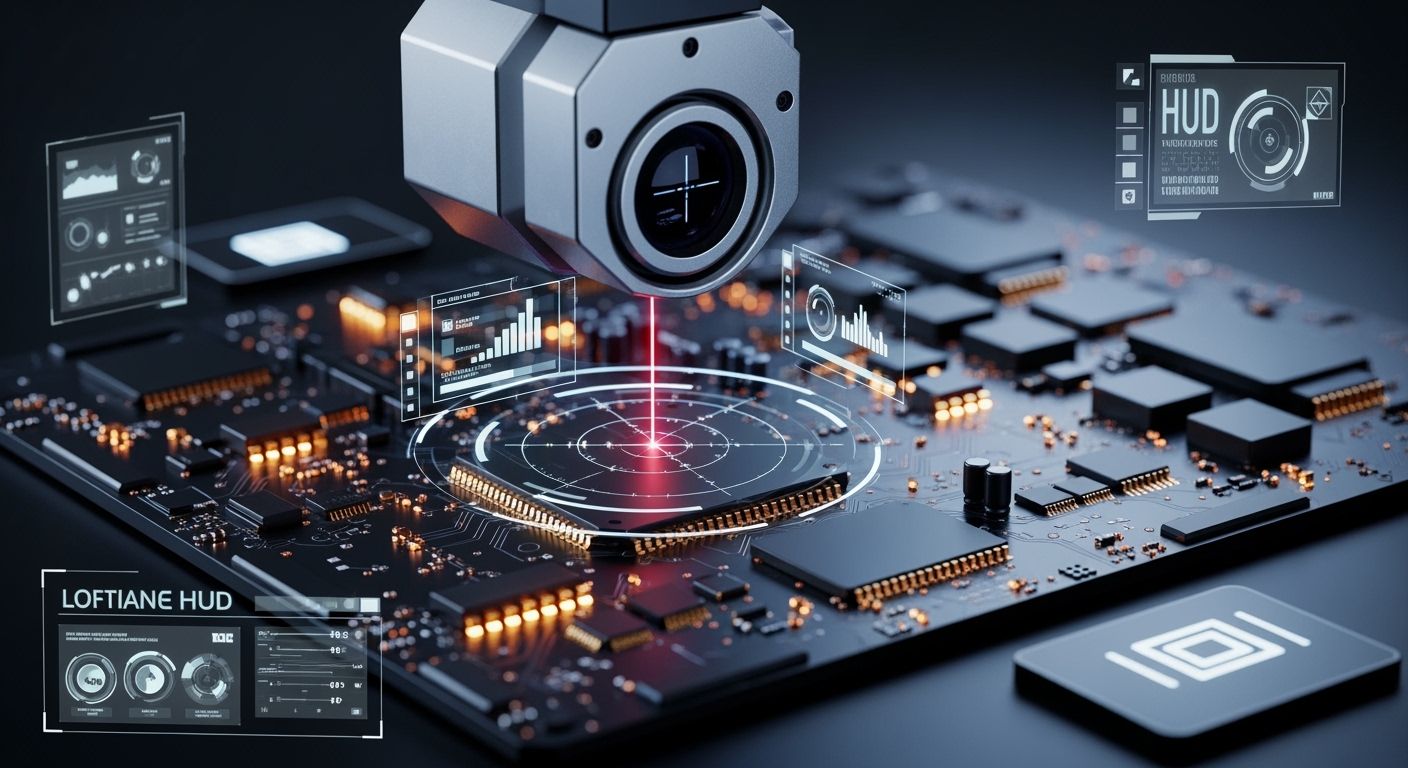
You must build reliable electronics for modern vehicles. The IATF 16949 standard expands basic ISO 9001 quality rules by adding strict Customer-Specific Requirements. Achieving IATF 16949 compliance improves automotive PCBA production right away. Active IATF compliance shifts your plant from simple checking to zero-defect risk prevention. This framework combines IPC standards across assembly lines. You upgrade vital automotive PCB units from basic IPC Class 2 limits to strict IPC Class 3 controls. Approved management processes protect your automotive PCBA supply chain against major product failures. Engineers rely on strong IATF 16949 execution to keep superior pcb quality standards for every automotive PCB build.
Key Takeaways
IATF 16949 rules change car PCB making from basic product testing to actively stopping mistakes before they happen.
High-Tg resin materials protect circuit boards from extreme heat and heavy vehicle shaking.
Main quality tools like APQP and FMEA help engineers find process risks before large-scale manufacturing starts.
IPC Class 3 standards and laser 2D barcodes deliver top quality and complete tracking for safety parts.
Automotive PCB Failure Modes and Environmental Stresses
Mitigating Automotive PCB Thermal and Mechanical Stress
Under-hood working areas expose your automotive pcb builds to extreme temperature changes from -40°C to +150°C. Intense engine heat makes delicate board layers stretch very quickly. This expansion damages micro-vias and causes pad cratering over many years of driving. You should pick high-Tg FR4 materials with a Tg from 170°C to 180°C for these tough builds. These strong materials keep Z-axis stretching down to 40-50 ppm/°C below Tg to protect structural strength.
Strong vehicle movements cause constant shaking and physical shocks during everyday driving. Normal AEC-Q100 testing demands 20G vibration forces from 10 Hz to 2000 Hz. You use ISO 16750 rules to test board strength under mixed environmental pressures. Choosing an ENIG surface finish makes solder joints last longer on every multilayer pcb stackup. Spreading copper evenly stops board bending while parts undergo hot reflow soldering.
Electrical Transients and Electrochemical Failure Prevention
Trapped water combined with high electrical voltage causes Conductive Anodic Filament growth inside the pcb substrate. Copper particles move along internal glass fibers, creating harmful short circuits. Strict iatf rules require tough moisture limits during circuit board manufacturing. You maintain high quality standards by picking low-moisture resins for all automotive pcb designs. Tightening glass-weave mechanical bonds shields every automotive pcb from hidden electrical failures.
Sudden power spikes from vehicle battery systems damage unprotected electrical circuits. You check power line surge safety using ISO 7637-2 load dump tests. For static electricity, ISO 10605 sets direct touch and air tests from 2 kV to 25 kV. Using strict iatf monitoring ensures that every automotive pcb layout handles voltage jumps without breaking down. Smart quality tracking protects the entire automotive pcba supply line. You supply reliable automotive pcba units for important controls while guarding rigid pcb modules against daily driving stress during automotive pcba production.
IATF 16949 Core Tools for Risk Mitigation
Applying IATF 16949 APQP and FMEA Protocols
You use five main iatf tools to stop defects during pcb building. You launch APQP first to match pcb designs with car needs. Teams use FMEA planning to check copper plating and soldermask alignment early.
Core tool | Role in automotive pcb manufacturing | How it reduces defect rates |
|---|---|---|
APQP | Structured planning before circuit production | Aligns design and manufacturing to customer requirements |
FMEA | Identifies potential process failure modes | Directs preventive action to high-risk failures |
PPAP | Documents process repeatability | Provides proof of process capability before mass production |
SPC | Monitors process stability | Detects variation early to prevent defects |
MSA | Confirms measurement equipment reliability | Ensures test data remains trustworthy |
You connect design reviews right to factory plans for smooth work. Engineers select setup tools using exact build targets to avoid errors. Strict quality tracking drives clear continuous improvement across all lines. Strong iatf rules guard every circuit board from initial setup through final assembly.
Process Validation through PPAP and SPC Metrics
You confirm production readiness by completing official PPAP reports. Running MSA checks ensures your test gear measures parts accurately. AOI checks component locations, while X-rays reveal hidden inside flaws. Heat burn-in trials test board survival during real road trips.
You follow iatf methods to track continuous process capability using SPC metrics. These metrics measure stability across active assembly lines. You maintain strict threshold values to lower defective parts per million.
Achieving iatf 16949 compliance requires a process capability index above 1.33. This target keeps defect rates under 50 PPM for critical automotive components.
You deliver reliable output across all automotive pcba batches. Standard IPC Class 2 work permits nearly 500 PPM defect rates. IPC Class 3 caps defects near 100 PPM instead. Firm iatf 16949 control drives defect rates down even lower. Following iatf 16949 compliance safeguards your automotive pcba supply line completely.
Real-Time Controls and Quality Standards
Meeting IPC Class 3 Automotive Quality Standards
You need strict iatf quality rules to keep critical car parts working safely. Today's automotive quality standards require IPC Class 3 quality on every layer of raw circuit boards. Strong iatf rules help circuit board makers hit these high quality goals.
Criterion | IPC Class 2 standard | IPC Class 3 standard |
|---|---|---|
Minimum copper plating | min 18 μm / avg 20 μm | min 20 μm / avg 25 μm |
External annular ring | 90° breakout allowed | minimum 50 μm (~2 mil) |
Internal annular ring | 90° breakout allowed | minimum 25 μm (~1 mil) |
Plating voids allowed | one void in 5% of holes | no voids permitted |
Thicker copper walls prevent barrel cracks to keep vehicle control modules safe. Removing copper voids stops tiny connections from breaking during extreme heat changes. Setting tight ring sizes protects inner layer connections if drilling shifts slightly. Using these higher rules boosts pcb quality standards to stop parts from failing on the road. Constant iatf tracking reduces plant waste while keeping product quality high during manufacturing.
Automated Inspection Protocols and Full Traceability
You use automatic test equipment to build high quality automotive circuit assemblies. Fast camera scanners check part placement and solder paste amounts right away. Multi-step checks use cameras, X-ray scans, and electrical tests to keep overall defect rates under 50 bad parts per million operations.
Surface checks: Camera scanners catch up to 99.5 percent of surface flaws on every board.
Inside checks: X-ray scans inspect hidden solder joints under main chips for tiny air pockets.
Electrical checks: Direct circuit tests confirm wiring paths and accurate part values across the board.
Heat checks: Fast heat stress tests force weak assembly spots to break before shipping out.
Laser etching adds 2D barcodes to connect every build step to central plant systems. Technicians engrave permanent code marks onto each circuit board before work starts. This system connects component batch numbers, oven heat settings, and test data to each unit code. Searching this tracking database shrinks recall sizes from 180,000 boards to 2,300 units during component defect checks. Using full tracking guards all automotive pcba production while meeting key iatf audit rules.
Supply Chain Control and IATF Compliance
Sub-Tier Material Control and Laminate Validation
You must manage lower-level suppliers to get reliable raw pcb supplies. Firm guidelines cover base laminates, copper sheets, and chemical bath liquids. Smart material choices immediately raise safety margins during automotive pcba factory builds. Wet air conditions, high circuit power, and tiny drill spacing boost filament growth risks along internal board paths.
Property | Test method | Evidence from datasheet |
|---|---|---|
Thermal decomposition temperature (Td) | TGA | R-356AD reaches 355°C and R-1566(W) reaches 350°C |
Comparative tracking index (CTI) | IEC 60112 | Ratings above 600 V provide excellent tracking resistance |
You verify laminate heat endurance by using Thermogravimetric Analysis test steps. High heat decomposition limits stop internal resin breakdown during hot soldering passes. Checking base laminate parts with IEC 60112 rules reveals true surface electrical tracking limits. Base parts rating under 200 V offer weak surface tracking safety during long high-voltage runs.
Integrating Customer-Specific Requirements and Audit Readiness
You build Customer-Specific Requirements straight into standard shop work instructions. Extra engineering steps strengthen basic quality rules on every factory shift. Modern car assembly plants demand complete iatf 16949 compliance to wipe out factory execution gaps. Regular plant checks confirm daily line habits, tool settings, and raw supply records.
You keep audit ready by running regular process checks on active assembly lines. Obeying set iatf rules blocks build errors before shipping final parts out. Quality bosses track real-time build numbers to demonstrate long-term line control. Careful tracking protects your automotive pcba factory timeline against sudden line stops. Holding iatf 16949 compliance guarantees total alignment with global performance rules. Using strict iatf 16949 rules guarantees great pcb toughness for important vehicle electronics. Safety control parts demand fault-free pcb builds for safe driving. Every circuit lot undergoes deep vendor checks within an established iatf 16949 setup under firm iatf 16949 requirements to supply top automotive pcb parts.
Following iatf rules moves your factory from basic checking to active risk prevention. This system blends iatf 16949 controls with IPC Class 3 standards for automotive pcb units. Smart processes add constant checks straight into daily plant tasks. You turn past error reviews into fresh control plans under strict iatf tracking.
Meeting total iatf 16949 goals protects car brands from expensive part fixes and recalls. Minor unmanaged shop changes cause most real-world breakdowns. Firm iatf steps force lower suppliers to supply top-grade raw items. Daily iatf 16949 work keeps pcb quality standards strong across your whole supply chain. You supply fault-free automotive products without fail.
FAQ
What is the main difference between IPC Class 2 and IPC Class 3 for automotive PCBs?
IPC Class 3 sets tighter production limits than IPC Class 2 does. Class 3 requires thicker copper inside drill holes, using 20 μm instead of 18 μm. It allows zero copper holes. These strict rules ensure car safety systems work without failing.
How does IATF 16949 differ from basic ISO 9001 certification?
IATF 16949 takes standard ISO 9001 rules and adds special car industry requirements. The standard includes required main planning tools like APQP and FMEA. It pushes your plant past simple checking to stop failures across your supply network.
Why do automotive PCBs require high-Tg substrate materials?
Under-hood car electronics handle huge heat shifts ranging from -40°C up to +150°C. Tough high-Tg board bases resist damage from extreme heat. These sturdy materials limit board stretching when temperatures jump up fast. Picking high-Tg bases stops micro-via snaps, inside cracks, and pad damage while driving.
What process capability metrics does IATF 16949 require for critical parts?
IATF 16949 rules demand a minimum Process Capability Index score of 1.33. This tight statistical control keeps bad parts below 50 items per million built. Using these math checks guarantees steady factory output for every single manufacturing batch.
See Also
Proven Strategies To Perfect Quality Assurance In Circuit Board Production
Essential Quality Steps For Assembling Automotive Heavy Copper Circuit Boards
Selecting The Best Printed Circuit Boards For Automated Test Equipment
How Laser Direct Imaging Technology Elevates Overall Printed Circuit Quality
Boosting Circuit Board Manufacturing Yield Rates Using Automated Optical Inspection
