Unlocking Material Inventory Flexibility with Small Batch PCB Production
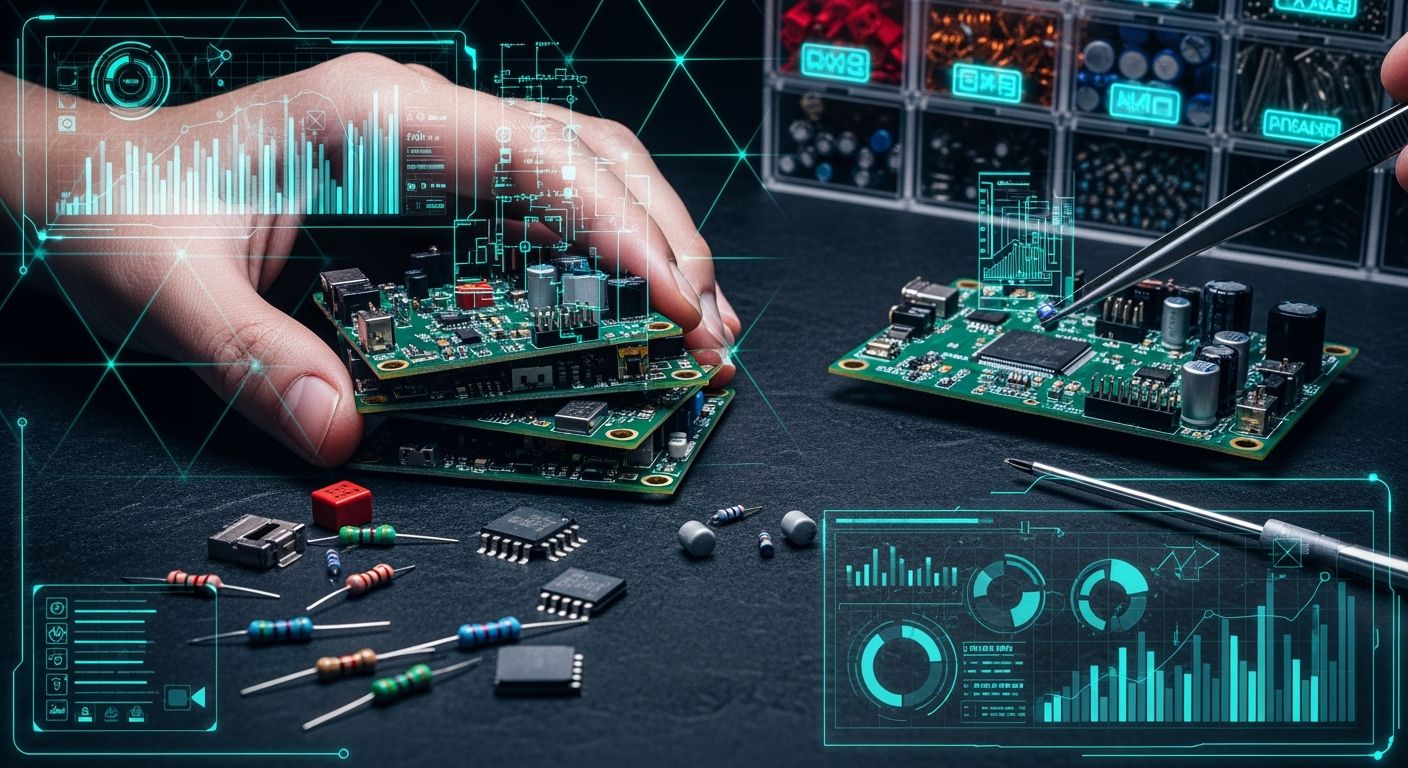
Small batch pcb production gives you the power to order just what you need, right when you need it. This approach helps you cut down on extra stock, keep costs in check, and pivot quickly when your design changes. You can test out new ideas fast, which really matters if you work on prototypes or early-stage projects.
You get to try multiple designs without waiting weeks.
Quick turn services let you see results fast, so you stay ahead in fields like consumer electronics or medical devices.
Last-minute changes? No problem—small batch pcb makes it easy to adapt.
With this flexibility, you can move from pilot production to product validation without the stress of overstock or wasted materials.
Key Takeaways
Small batch PCB production lets you buy only what you need. This helps you waste less and save money.
You get your boards fast, sometimes in just a few days. This helps you work quickly on your projects.
You can change your designs easily. This means you can update your prototypes without having too many old parts.
Making fewer units lowers your financial risk. You can try new ideas without spending a lot of money first.
Using small batch production makes inventory easier to manage. It also helps you build prototypes faster.
What Is Small Batch PCB?
Defining Small Scale PCB Manufacturing
Small scale pcb manufacturing means making fewer boards at a time. You don’t need to buy thousands. You can order just a few or a couple hundred. This saves money and stops waste. You can try new ideas quickly. You don’t have to wait for a big batch.
Small scale pcb manufacturing works well for new designs or special projects. You can get only a few boards or up to 250. This is much less than mass production, which makes thousands or millions.
You get more control with small scale pcb manufacturing. You pick how many boards you want. You can change your order if your design changes. This helps you stay ahead and keeps your inventory small.
Typical Use Cases and Volumes
Small-batch pcb manufacturing is used in many projects. It is common in wearable electronics like fitness trackers and smartwatches. These need small boards to fit inside tiny spaces. Medical devices also use small scale pcb manufacturing. Portable tools and implantable devices need reliable, small boards.
Aerospace and defense projects need strong boards. Small scale pcb manufacturing lowers the chance of failure in tough places. IoT devices use small-batch pcb manufacturing for sensors and modules. You can make a few boards for testing or pilot runs.
Here are some usual uses for small scale pcb manufacturing:
Wearable electronics
Aerospace and defense
IoT devices
You usually order a few to 250 boards with small scale pcb manufacturing. This lets you test, check, and launch new products without wasting money or materials.
PCB Inventory Flexibility Benefits
Reducing Overstock and Waste
It is annoying to see shelves full of unused boards. Small batch pcb production helps stop this problem. You only buy what you need. This means you do not get stuck with extra boards. Your inventory stays small and your workspace is neat.
Panelization in pcb fabrication can lower material waste by almost half. It also cuts the cost for each board by up to 20%.
If you make 10,000 small PCBs, you could save $8,000 to $12,000 every year with good panelization.
Good production planning and working with your suppliers can save you another 15% to 25% on costs.
New pcb manufacturing methods let over 99% of mass break down into safer products. This helps cut down on electronic waste. Life Cycle Assessments show a 79% drop in Global Warming Potential compared to old circuit boards. This is great for the planet.
You also do not have to worry about parts getting too old. With small batch pcb fabrication, you do not have old parts sitting around. This keeps your costs low and your inventory fresh.
Supporting Rapid Changes and Prototyping
When you make new prototypes, you need to work fast. Small batch pcb manufacturing lets you test and change your pcb design quickly. You do not have to wait for big orders. You can make changes and see results in just a few days.
Prototype validation: Order 5 to 20 units for testing.
Beta program support: Get 25 to 100 units for field tests.
Initial market launch: Make 100 to 500 units for early sales.
Scale-up bridge: Use small batches to make more as you grow.
You only make what you have tested. This means you do not risk having too much inventory. If you find a problem, you can fix it in the next batch. This helps you avoid wasting money and materials.
Capability | Description |
|---|---|
Quick-turn build times | Start in 24 to 72 hours so you can work fast. |
Early detection of issues | Find problems before making lots of boards. |
Seamless handoff | Move easily from prototype to production. |
Compatibility | Works with HDI, fine-pitch, and micro BGA components. |
Iterative design support | Change your design and keep track of versions. |
In-house DFM feedback | Get advice to make your boards better. |
Small batch pcb fabrication helps you listen to your customers. If they want something new, you can update your pcb and deliver it fast. This keeps you ahead of others.
Lowering Financial Risk
You do not want to spend money on boards you do not use. Small batch pcb manufacturing helps you control your budget and lower your risk. You only pay for what you need, when you need it. This is good for pilot production, product checks, and early sales.
Companies can save over 60% on costs during pilot production by using smart ideas like panelization, standardization, pooled runs, DFA, and strong supplier partnerships.
A smart home project made 300 samples, found a sensor problem, and fixed it before making more. This saved them from expensive recalls.
A medical device team made 150 test units for each version. The cost per unit was higher, but they did not have to pay for big changes later.
You can also avoid big mistakes. One team made 3,000 smart wearables in their first batch. They found a design problem, lost materials, and had money troubles. If they used small batch pcb fabrication, they could have found the problem sooner and saved money.
Small batch pcb production helps with pilot builds and early checks. You can test your prototypes in real life, run beta programs, and get ready for approval. This keeps your project moving and your costs under control.
Small-batch and pilot production builds are important for testing designs in real conditions. They help with beta testing and getting approval, which is key when starting a new product.
You can launch products faster, handle changes, and keep your business flexible. With small batch pcb, you control your inventory, protect your money, and make high-quality prototypes that reach your goals.
Small Batch PCB Process
Order Planning and Sourcing
You want your pcb project to run smoothly from the start. Good planning makes a big difference in pcb manufacturing. Here’s how you can set yourself up for success:
Define your budget and set your top priorities. Decide what matters most—quality, speed, or price.
Build strong relationships with suppliers. When you know your suppliers, you get better service and prices.
Keep an eye on the lifecycle of your components. This helps you avoid shortages or last-minute changes.
Choose parts that are easy to find. This makes pcb fabrication and assembly much easier.
If you follow these steps, you can keep your pcb manufacturing process on track. You also lower your production costs and avoid delays.
Fast Turnaround and Adaptability
Small batch pcb fabrication gives you speed and flexibility. You can move from idea to finished board in days, not weeks. This is perfect for low-volume production and projects that need quick changes. Take a look at how lead times compare:
Production Type | Lead Time (Working Days) |
|---|---|
Prototype (1-10 pieces) | 1-5 |
Small Batch (50-500) | 7-14 |
Mass Production (1000+) | 15-30 |
You can see that small batch pcb manufacturing is much faster than mass production. You also get more flexible manufacturing. If you need to change your design, you can do it without high production costs or wasted materials.
Feature | Low Volume PCB Assembly | High Volume PCB Assembly |
|---|---|---|
Lead Time | Short, flexible | Longer setup time |
Flexibility | Great for prototypes | Costly to change |
Feedback and Iteration
You learn a lot from each pcb fabrication run. Small batch pcb production lets you test, get feedback, and improve your design quickly. You can make changes after every batch. This keeps your pcb manufacturing process fresh and your product moving forward.
Tip: Use feedback from each production run to make your next pcb even better. This helps you control production costs and avoid big mistakes.
With this approach, you stay ahead of problems and keep your production on schedule. You can launch new products faster and respond to customer needs right away.
Small Batch vs. Mass Production
Flexibility and Responsiveness
You want your pcb project to be flexible. Small batch pcb gives you more control. You can change your design or inventory easily. It is simple to test new ideas fast. You do not have to wait for a big order to finish. If you need to update your pcb, you can do it quickly. This works well for early projects and pilot runs. It is also good for products that change a lot.
Look at how small batch pcb and mass production are different:
Aspect | Small Batch PCB Production | Mass Production |
|---|---|---|
Inventory Flexibility | High | Low |
Focus | Speed and flexibility | Consistency and cost efficiency |
Design Iteration | Frequent revisions | Limited revisions |
Production Volume | Small quantities | Large quantities |
Quality Control | Manual checks | Automated processes |
Small batch pcb lets you make changes often. You can test new designs and fix problems fast. Mass production is better when your pcb design does not change. It is best if you need many boards. If you want to launch something new or try different versions, use small batch pcb.
Here are times when small batch pcb is best:
Quick prototyping to check ideas
Design checks before making more
Special products with low demand
Projects that need fast results
When design changes may happen
You can move fast and stay ahead. If you need to change, small batch pcb makes it easy.
Cost and Risk Comparison
You care about cost and risk in pcb manufacturing. Small batch pcb costs more per board. This is because you make fewer boards at once. But you do not spend a lot of money at the start. This makes small batch pcb good for new projects and pilot runs.
Here is how the costs compare:
Small batch pcb costs more for each board since you make less.
You spend less at first because you only make a few boards.
Mass production is cheaper per board when you make many.
Mass production needs more money at the start but saves money later.
If you order prototypes, you might pay $50 to $200 for a few boards. When you make a lot, the cost can drop to less than $1 per board. You save money if your design is ready and you need thousands of boards.
Small batch pcb helps lower your risk. You do not have to make too many boards before your design is right. You can fix problems and avoid big mistakes. If you work on new products or pilot runs, small batch pcb keeps your costs low and your inventory flexible.
Tip: Use small batch pcb for new projects, pilot runs, and checking your product. Switch to mass production when your pcb design is ready and you need more boards.
You get the best of both ways. Start with small batch pcb to test and improve your design. Move to mass production when you are ready to make more and save money.
Tips for Leveraging Small Batch PCB
Best Practices for Inventory Control
You want your pcb inventory to be neat and work well. Start by using barcode or RFID systems. These tools help you keep track of every board and part. Connect them to your ERP system for easy updates. You can also use Just-in-Time methods. This means you get deliveries only when you need them. Kanban systems help you refill stock at the right time.
Keep your warehouse clean and organized. Make clear storage areas and use simple labels. This helps you find things fast. Check your stock often to match records with real items. Teach your team how to handle inventory the right way. Use the same parts in different designs. This makes tracking easier and saves money.
It is important to control the environment too. Keep humidity under 60% and temperature between 15°C and 25°C. Use vacuum-sealed bags for boards that need extra care. Make sure engineering changes match how you use your stock. Look at your inventory every three months to find slow-moving items.
Best Practice | Description |
|---|---|
Environmental Control | Keep humidity and temperature stable. Use vacuum-sealed bags for protection. |
Technology Use for Tracking | Use barcode/RFID and ERP integration for automation. |
Lean Strategies | Apply JIT and Kanban to reduce storage costs. |
Warehouse Organization | Clear zones and labels improve workflow. |
Managing Obsolescence | Align changes and review stock quarterly. |
Tip: Use FIFO, which means First-In, First-Out. This helps you use older pcb stock first. It stops waste and keeps your boards new.
Common Pitfalls to Avoid
You may run into problems in pcb manufacturing. One mistake is not knowing all the costs. This can cause surprise bills later. Always ask for a full price list before you start. Another problem is skipping assembly tests. If you do not test, you might miss hidden problems.
Some teams forget about help after assembly. Make sure your supplier gives support after delivery. This keeps your pcb process running well. Lead times can be tricky. Pick manufacturers with fast programs and good engineering help. Some can finish in just three days, but it depends on your pcb design.
Work with your partners early in the design stage. This helps you save money and makes production smoother. Check for quality steps like ISO 9001 and strong testing rules. These steps keep your pcb safe and your production steady.
Note: Small batch pcb production can reach 90-95% yield if handled well. Watch numbers like lead time and first-pass yield to see how you are doing.
Small batch PCB production gives you more control over your inventory and helps you stay flexible. You can test new ideas, save money, and move fast. Here’s a quick look at the main business benefits:
Benefit | Description |
|---|---|
Flexibility | Make quick changes and test new designs easily. |
Cost-Effectiveness | Spend less upfront and avoid extra stock. |
Agile Workflows | Respond to market needs with shorter lead times. |
When you add small batch PCB to your supply chain, you get better inventory management, faster prototyping, and stronger supplier partnerships.
Thinking about your next project? Here are some key takeaways:
Enjoy rapid turnaround and quick changes.
Stay flexible with your designs.
Keep costs low for small runs.
Build high-quality prototypes.
Lower your risk with fewer units.
Try small batch PCB production to make your process smoother and your business more responsive.
FAQ
What is the main benefit of small batch PCB production?
You can order only what you need. This helps you save money and avoid extra parts. You also get to test new ideas faster.
How fast can I get my boards with small batch orders?
You often get your boards in just a few days. Some services offer delivery in 24 to 72 hours. This helps you move quickly on your project.
Can I change my design between batches?
Yes! You can update your design before each new order. This makes it easy to fix problems or add new features without wasting old boards.
Is small batch PCB production good for students or hobbyists?
Absolutely. You can try out your ideas without spending a lot. Small batch orders let you learn and experiment with less risk.
See Also
Understanding The Steps In PCB Production Techniques
Ten Strategies To Reduce Expenses In PCB Creation
Exploring LT CIRCUIT's Advanced PCB Fabrication Services For Complex Projects
Selecting A Reliable Partner For Your PCB Manufacturing Needs
Comprehensive Overview Of Flexible PCB Production Techniques
